
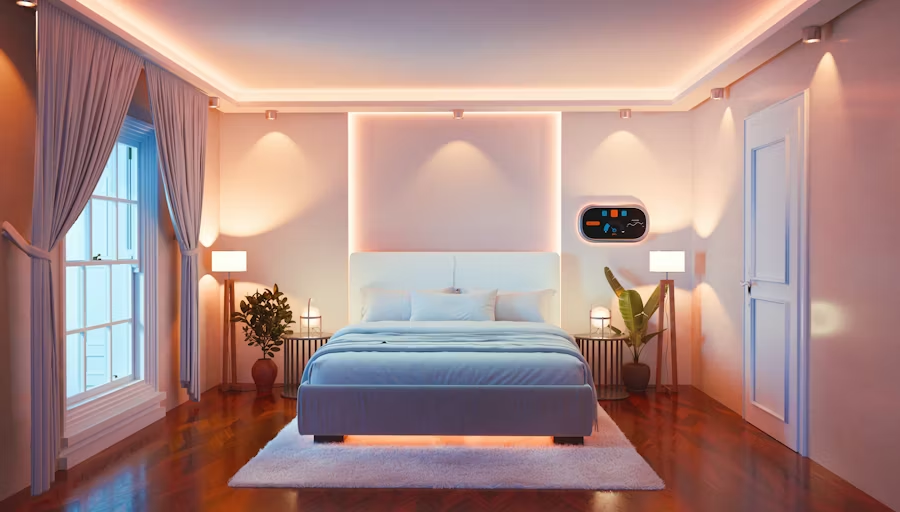
Introduction to Smart Lighting
Smart lighting technology has transformed home illumination, offering far beyond basic on-and-off capabilities. It has become a pivotal component of home automation, allowing for remote management and programming to enhance convenience, energy efficiency, and ambiance. At its core, smart lighting integrates intelligent bulbs and lamps with digital technology, enabling control through smartphones, voice commands, or automation systems.
One of the most significant benefits of integrating smart lighting into homes is the potential for energy savings. Smart bulbs, often utilizing LED technology, consume significantly less energy compared to traditional incandescent bulbs. Features like motion sensors and scheduling can automatically turn lights off when not in use, further reducing energy wastage. Additionally, smart lighting can improve home security by simulating occupancy through randomized lighting patterns, deterring potential intruders.
Current trends in smart lighting emphasize personalization and interoperability. Consumers demand customizable color temperatures and brightness levels to suit different moods and activities. This trend is supported by advancements in RGB lighting technology, allowing users to choose from millions of color options. Furthermore, integrating smart lighting with other home automation systems—such as smart speakers and security systems—ensures a seamless user experience. Brands are developing ecosystems that promote compatibility and ease of use, addressing a common pain point in smart home technology adoption.
As smart lighting evolves, it is expected to become more intuitive and integrated with home automation, paving the way for smarter, more energy-efficient homes.
Understanding Smart Bulbs
Smart bulbs are the cornerstone of modern smart lighting systems, offering features that traditional bulbs cannot match. These bulbs come in several types, each tailored to different needs and preferences. Common types include Wi-Fi-enabled bulbs, Bluetooth bulbs, and those requiring a smart hub. Wi-Fi-enabled bulbs are popular for their ability to connect directly to the home network, allowing remote control from anywhere via a smartphone app. Bluetooth bulbs connect directly to a smartphone when in range, offering a simpler setup but limited control range. Hub-required bulbs, like Philips Hue, operate through a central device that manages multiple bulbs, providing robust features and integration with other smart home devices.
Key features of smart bulbs include adjustable brightness and color temperatures, modifiable to suit various activities and times of day. Many smart bulbs offer a spectrum of colors, enabling users to create vibrant atmospheres for parties or relaxing hues for winding down in the evening. Another important feature is the ability to schedule lighting changes, enhancing energy efficiency and convenience. For instance, users can program lights to gradually brighten in the morning to simulate a sunrise, promoting a natural wake-up process.
Philips Hue is a standout brand, known for its extensive range and reliable performance. LIFX bulbs are noted for their vivid color capabilities and ease of setup, as they connect directly to Wi-Fi. TP-Link’s Kasa Smart bulbs offer affordable solutions with seamless integration into smart home ecosystems. Each brand provides distinct advantages, making it important for consumers to consider their specific needs, whether it’s color customization, ease of use, or integration with existing smart home devices.
Exploring Smart Lamps
Smart lamps offer advanced technological features that set them apart from traditional lamps. While conventional lamps provide basic lighting, smart lamps enhance user experience through connectivity and automation. They often come with built-in capabilities to connect with smart home systems, allowing for remote control and customization.
When selecting a smart lamp, certain features should be prioritized. Connectivity options, such as Wi-Fi or Bluetooth, determine how the lamp can be controlled and integrated with other devices. Consider the lamp’s compatibility with smart assistants like Amazon Alexa or Google Assistant for effortless voice control. Another crucial feature is the lamp’s adjustability in brightness and color temperature, allowing for tailored lighting settings depending on the time of day or activity. Some smart lamps even include additional functionalities such as built-in speakers or wireless charging pads, offering multifaceted utility.
Top smart lamp options include the Philips Hue Table Lamp, which provides comprehensive color options and integrates seamlessly with the Hue ecosystem. The Dyson Lightcycle Morph offers dynamic lighting that adjusts to natural daylight patterns, aiding in eye comfort and productivity. The Xiaomi Mi Smart LED Desk Lamp 1S caters to those seeking minimalist design with effective functionality, offering precise control over brightness and color temperature through a smartphone app.
Ultimately, smart lamps are a versatile addition to any smart home setup, providing not just illumination but an enhanced interactive and adaptive lighting experience that can significantly influence ambiance and energy efficiency. By choosing the right lamp, users can seamlessly integrate advanced lighting solutions into their daily lives, enhancing both functionality and aesthetic appeal.
Compatibility Considerations
When integrating smart lighting into your home, ensuring compatibility between smart bulbs and lamps is crucial. Compatibility affects the functionality of your lighting setup and determines how seamlessly smart lighting can be integrated into your existing home environment. Here are some essential considerations and strategies to ensure a harmonious setup:
How to Check Bulb and Lamp Compatibility
The first step in ensuring compatibility is to understand the socket type and voltage requirements of your existing lamps. Most smart bulbs are designed to fit standard socket types, such as E26 or E27, commonly used in the United States and Europe, respectively. However, it’s important to verify these specifications before purchasing. Additionally, confirm that the voltage requirements of the bulb match the power supply of your lamp to prevent any electrical issues.
Key Steps:
- Identify the Socket Type: Check the base of your lamps for socket type markings or refer to the lamp’s manual.
- Verify Voltage Compatibility: Ensure that the smart bulb’s voltage matches your lamp’s requirements, typically 120V in the US and 220-240V in Europe.
Integrating Smart Bulbs with Existing Lamps
Once compatibility is confirmed, the next step is integration. Most smart bulbs are designed to connect via Wi-Fi, Bluetooth, or Zigbee. Each connection type offers different advantages:
- Wi-Fi: Offers wide coverage and integration into broader smart home ecosystems.
- Bluetooth: Useful for local control without needing a Wi-Fi network, though range is limited.
- Zigbee: Provides a more energy-efficient connection with a robust range, suitable for larger installations.
For effective integration:
- Choose the Right Platform: Consider platforms like Alexa, Google Home, or Apple HomeKit to control your smart bulbs.
- Use Smart Hubs: If using Zigbee or similar, a smart hub can manage multiple devices simultaneously, creating a centralized control system.
Common Compatibility Issues and Solutions
Despite careful planning, compatibility issues can arise. Common problems include:
- Connectivity Issues: Ensure your Wi-Fi network is strong and compatible with the frequency (2.4 GHz is often required).
- App Integration Problems: Some bulbs may not fully integrate with certain smart home apps. Always update apps and firmware to the latest versions.
- Physical Fit: Sometimes the bulb’s shape or size doesn’t fit the lamp. Opt for bulbs specifically designed for compact spaces if needed.
Solutions:
- Firmware Updates: Regular updates can resolve many connectivity issues.
- Use Adapters: Socket adapters can resolve mismatched base types.
- Consult Manufacturer Support: For persistent issues, reach out to the manufacturer for advanced troubleshooting.
To illustrate, a common compatibility issue arises when a smart bulb’s physical dimensions exceed the space available in a fixture, leading to fitting problems. Another potential issue is the bulb’s inability to connect with certain Wi-Fi networks if they operate on frequencies not supported by the smart bulb. Solutions include using Wi-Fi extenders for better coverage and selecting bulbs specifically designed for compact fixtures. Additionally, some systems might require firmware updates to resolve initial connectivity issues, underscoring the importance of regular software maintenance.
Smart Bulbs Compatibility Testing
When setting up smart bulbs, ensuring compatibility with existing lamps and systems is crucial to avoid functionality issues. Here’s how you can test compatibility effectively before making a purchase or installation:
- Check Manufacturer Specifications: Start by reviewing the bulb’s specifications on the manufacturer’s website or packaging. Look for details on socket compatibility (e.g., E26, E27), voltage requirements, and connectivity options (Wi-Fi, Bluetooth, Zigbee).
- Test with a Sample Bulb: Purchase a single bulb to test in your most commonly used lamps. Install the bulb and check if it fits well and functions correctly. Ensure it connects to your Wi-Fi or Bluetooth as expected.
- Use Compatibility Check Tools: Some manufacturers offer online tools or apps that can help you check compatibility with other smart home devices. Use these resources to ensure seamless integration into your existing ecosystem.
- Seek Community Feedback: Online forums and user reviews can be invaluable. Look for feedback from users with similar setups to understand potential compatibility issues and solutions they’ve found effective.
By taking these steps, you can minimize the risk of compatibility problems and ensure your smart lighting setup operates smoothly.
Maximize Energy Efficiency with Smart Bulbs and Lamps
Smart lighting is not only about convenience and aesthetics but also about energy efficiency. The integration of smart bulbs and lamps can significantly reduce energy consumption, thereby lowering electricity bills and contributing to environmental conservation.
Importance of Energy-Efficient Smart Bulbs
Smart bulbs are designed to be more energy-efficient than traditional incandescent bulbs. They often use LED technology, which consumes up to 80% less energy and lasts up to 25 times longer. This efficiency translates to substantial savings on electricity bills over time. Moreover, the ability to dim lights or turn them off remotely ensures that energy is not wasted when lighting is unnecessary.
Benefits of Energy-Efficient Smart Bulbs:
- Lower Energy Consumption: Smart bulbs adjust brightness based on natural light, reducing unnecessary usage.
- Extended Lifespan: Longer life reduces the frequency of replacements, saving money and reducing waste.
- Scheduling and Automation: Automatic scheduling can ensure lights are only used when needed, optimizing energy use.
Beyond the basic energy savings, smart lighting systems can be programmed to optimize energy usage based on peak and off-peak hours. In many regions, electricity prices vary throughout the day, allowing users to schedule heavy usage during cheaper off-peak times. This strategic scheduling can further reduce electricity costs and ease the load on power grids during high-demand periods. Additionally, smart lighting can integrate with energy management systems, providing real-time insights into energy consumption and identifying opportunities for further savings.
Energy-Saving Features of Smart Lamps
Smart lamps incorporate features that enhance energy savings, such as motion sensors that turn lights on or off based on room occupancy. Many smart lamps also offer ambient light sensors that adjust brightness according to the time of day and available natural light.
Key Features:
- Motion Detection: Lights activate when movement is detected, ideal for rooms like bathrooms or hallways.
- Ambient Light Sensors: Adjusts light levels automatically, maintaining optimal brightness while minimizing energy use.
Calculating Potential Energy Savings
Calculating the potential energy savings from smart lighting involves comparing the wattage of smart bulbs to traditional bulbs and considering usage patterns. For example, replacing a 60-watt incandescent bulb with a 10-watt LED smart bulb that operates for five hours a day can save approximately 250 kWh annually. At an average electricity rate of $0.13 per kWh, this equates to a savings of around $32.50 per bulb per year.
Steps to Calculate Savings:
- Identify Wattage Difference: Subtract the wattage of the smart bulb from that of the traditional bulb.
- Calculate Daily Usage: Multiply the wattage difference by daily hours of use.
- Convert to kWh: Divide by 1000 to convert to kilowatt-hours.
- Estimate Annual Savings: Multiply by 365 days and the electricity rate.
By focusing on energy-efficient options and understanding their benefits, homeowners can make informed decisions that contribute to both cost savings and environmental sustainability.
Comparative Analysis of Smart Bulbs and Traditional Bulbs
Choosing between smart bulbs and traditional incandescent bulbs often boils down to energy efficiency, longevity, and functionality. Here’s a comparative analysis to highlight these differences:
- Energy Consumption: Smart bulbs, typically using LED technology, consume significantly less energy than traditional incandescent bulbs. For instance, a smart LED bulb might use only 9W of power compared to 60W for an incandescent bulb, resulting in substantial electricity savings over time.
- Lifespan: While traditional bulbs may last around 1,000 hours, smart bulbs can last up to 25,000 hours. This increased lifespan means fewer replacements and less waste, contributing to sustainability efforts.
- Functionality: Unlike traditional bulbs, smart bulbs offer adjustable brightness and color, remote control via apps, and integration with smart home systems for automation and voice control. These features enhance convenience and flexibility in managing home lighting.
- Cost: Although the upfront cost of smart bulbs is higher, the energy savings and extended lifespan often result in lower overall costs compared to frequently replacing traditional bulbs.
By understanding these differences, consumers can make informed decisions that align with their energy-saving goals and lifestyle preferences.
Design Aesthetics and Smart Lighting
Design aesthetics play a pivotal role in the appeal of smart lighting, transforming not just functionality but also the ambiance and visual appeal of your living spaces. Smart lighting offers a unique blend of technology and design, enhancing home decor in ways traditional lighting cannot.
Impact of Smart Lighting on Home Decor
Smart lighting allows for unprecedented flexibility in home decor, offering a range of colors and intensities that can be tailored to complement any interior design. Whether you’re looking to highlight architectural features, create cozy reading nooks, or add drama to a dining area, smart lighting can be adapted to suit your needs.
Design Advantages:
- Adjustable Color Temperature: Change between warm and cool tones to match different rooms or moods.
- Accent Lighting: Use smart bulbs to emphasize artwork or architectural details.
- Dynamic Scenes: Create presets for various activities, such as movie night or a dinner party.
Choosing Designs That Complement Your Style
Selecting smart lighting that aligns with your home’s aesthetic involves considering both the physical design of the lamps and the lighting effects themselves. For a minimalist look, opt for sleek, unobtrusive smart lamps with clean lines. In contrast, vintage or industrial-themed spaces might benefit from smart bulbs housed in retro-style fixtures.
Considerations for Style:
- Fixture Design: Choose lamps that match your room’s decor theme, from modern to classic.
- Color Palettes: Use app-controlled color selection to match lighting with your decor’s color scheme.
- Material and Finish: Pay attention to the materials of the lamp, whether metal, glass, or wood, to ensure harmony with other furnishings.
Customizable Lighting Options for Different Moods
Smart lighting’s customizable features allow you to tailor the ambiance of your home to different occasions and moods. Programs can be set to adjust lighting automatically throughout the day, providing energizing brightness during morning hours and calming, warm hues in the evening.
Mood Customization Tips:
- Morning Boost: Use bright, cool whites to simulate daylight and boost energy.
- Relaxation Evenings: Opt for warmer, dimmer settings to create a cozy atmosphere.
- Party Mode: Use dynamic color-changing features to create a vibrant, festive environment.
By leveraging the aesthetic capabilities of smart lighting, homeowners can enhance their living environments, creating spaces that are not only functional but also visually captivating and emotionally resonant.
Incorporating Smart Lighting into Interior Design
Integrating smart lighting into your interior design can uniquely enhance the ambiance and functionality of your living spaces. Here’s how you can do it effectively:
- Minimalist Spaces: In minimalist interiors, opt for sleek smart lamps with unobtrusive designs that blend seamlessly with the environment. Use smart bulbs with adjustable color temperatures to maintain a clean, modern look.
- Traditional or Rustic Themes: For traditional or rustic settings, choose smart bulbs that can be fitted into vintage-style fixtures. Warm lighting tones can complement the cozy, inviting feel of these spaces.
- Accent Lighting: Use smart bulbs to highlight specific features of your home, such as artwork, architectural details, or plants. With smart lighting, you can adjust brightness and color to suit the specific mood or time of day.
- Dynamic Lighting Scenes: Create dynamic scenes that can be activated with a simple voice command or app control. For instance, set a ‘relaxation’ scene with dim, warm lights for evenings or a ‘focus’ scene with bright, cool lights for working.
By thoughtfully incorporating smart lighting into your home’s design, you can enhance both its aesthetic appeal and functionality, making your living spaces more enjoyable and personalized.
Installation and Setup Guide
Installing and setting up smart bulbs and lamps can transform your home into a more efficient, convenient, and customizable space. Here’s a detailed guide to getting your smart lighting up and running smoothly.
Step-by-Step Installation Process for Smart Bulbs and Lamps
- Unbox and Inspect: Begin by unboxing your smart bulb or lamp. Ensure all components are present and undamaged.
- Check Compatibility: Before installation, confirm that your smart bulb or lamp is compatible with your existing fixtures and your home’s Wi-Fi network.
- Install the Smart Bulb: For smart bulbs, turn off the power to the lamp or fixture. Remove the existing bulb and screw in the smart bulb. Restore power and ensure the bulb turns on.
- Set Up the Smart Lamp: If you have a smart lamp, plug it into a power source. Many smart lamps come pre-assembled, but if assembly is required, follow the manufacturer’s instructions carefully.
- Connect to Wi-Fi: Download the manufacturer’s app on your smartphone. Follow the app’s instructions to connect the smart bulb or lamp to your Wi-Fi network. Often, this involves putting the device into pairing mode by turning it on and off a few times.
- Finalize Setup in App: Once connected, the app will guide you through naming your device and organizing it into rooms or groups. This step is crucial for seamless control and automation.
Common Setup Challenges and How to Overcome Them
- Wi-Fi Connectivity Issues: Ensure your router is within range and that you’re using a 2.4 GHz network, which is often more compatible with smart devices than a 5 GHz network.
- Device Not Responding: If the bulb or lamp isn’t responding, try resetting it according to the manufacturer’s instructions. This often involves cycling the power multiple times.
- App Control Problems: Ensure your app is updated to the latest version. If problems persist, uninstall and reinstall the app, ensuring you log back into your account.
For those encountering issues with Wi-Fi connectivity during setup, consider placing your router closer to the smart bulb during the initial connection process. Once the device is connected, it can typically be moved to its final location without losing connection. If your smart bulb requires a hub, ensure that the hub is positioned centrally in your home to maximize the signal coverage. Additionally, consult your smart bulb’s manual for specific reset procedures if the device fails to connect after several attempts, as each brand may have unique steps for resetting.
Essential Tools and Apps for Setup
- Smartphone or Tablet: Required for app installation and device control.
- Manufacturer’s App: Each brand typically has its own app for managing smart devices. Popular apps include Philips Hue, LIFX, and TP-Link Kasa.
- Smart Home Hub (Optional): Devices like Amazon Echo or Google Nest Hub can centralize control if you have multiple smart devices.
By following these steps and addressing common challenges, you can ensure a smooth setup process for your smart lighting, enabling you to take full advantage of its capabilities.
Smart Lighting Control and Automation
Once your smart bulbs and lamps are installed, the next step is to leverage their full potential through advanced control and automation. This not only enhances convenience but also integrates seamlessly into your daily routines.
Using Apps and Devices to Control Smart Lighting
Modern smart lighting systems come with dedicated apps that allow for comprehensive control. Here’s how you can utilize them:
- Remote Access: Control your lighting from anywhere using your smartphone. Whether you’re at work or on vacation, you can turn lights on or off, adjust brightness, or change colors.
- Grouping and Zones: Organize lights into groups or zones. This is particularly useful in large homes where you might want to control multiple lights in a single room simultaneously.
- Scheduling: Set schedules to automatically turn lights on or off at specific times. For example, have lights turn on at sunset and off at bedtime.
Setting Up Automation Routines for Daily Use
Automation is one of the most powerful features of smart lighting:
- Sunrise/Sunset Routines: Use your location data to adjust lighting based on the time of day, brightening in the morning and dimming in the evening.
- Motion Sensors: Integrate motion sensors to turn lights on when you enter a room and off when you leave, conserving energy without sacrificing convenience.
- Custom Scenes: Create scenes for different activities—such as reading, dining, or watching a movie—by adjusting the brightness and color of your lights.
Consider setting up geofencing, which uses your smartphone’s location to adjust lighting automatically. For example, lights can automatically turn off when you leave the house and turn back on when you return, enhancing both convenience and energy efficiency. Another innovative routine is the ‘Night Light’ mode, where lights gradually dim over a set period to help users wind down before bedtime. These automation routines can often be customized via the lighting app, allowing users to tailor settings to their specific habits and preferences.
Voice Control Compatibility with Smart Assistants
Voice control adds an additional layer of convenience to smart lighting:
- Amazon Alexa, Google Assistant, and Apple HomeKit: Most smart bulbs and lamps are compatible with these platforms. Simply link your lighting system to your voice assistant and use commands like “Alexa, turn on the living room lights” to control your lights hands-free.
- Routine Integration: Combine lighting control with other smart home devices for complex routines. For example, a “Good Night” command can turn off all lights and lock doors.
By effectively using these control and automation features, you can create a smart lighting environment that not only adapts to your lifestyle but also enhances it.
Advanced Automation Scenarios
Advanced automation scenarios can transform how you interact with your smart lighting, offering convenience and energy efficiency. Here are some practical examples:
- Security Lighting: Program your smart lighting to turn on automatically when motion is detected around your property at night. This can deter intruders and provide peace of mind.
- Adaptive Lighting: Use sensors to adjust lighting intensity based on the amount of natural light in the room. During the day, lights can dim or turn off if ample sunlight is available, conserving energy.
- Vacation Mode: Set your lights to mimic typical household activity when you’re away to give the impression that someone is home. This can be done by randomizing on/off times across different rooms.
- Energy-Saving Schedules: Create weekday and weekend lighting schedules that align with your routine. For instance, lights can gradually brighten in the morning to help you wake up naturally, or they can dim in the evening to signal bedtime.
By implementing these automation scenarios, you can optimize your smart lighting to better support your lifestyle and enhance home security and energy efficiency.
Troubleshooting Common Issues
Despite the advanced technology and convenience offered by smart lighting, users may encounter certain issues that can disrupt functionality. Here’s how to troubleshoot common problems to ensure your smart lighting system operates smoothly.
Identifying and Fixing Connectivity Problems
Connectivity issues are among the most frequent problems with smart lighting systems:
- Weak Wi-Fi Signal: Ensure your smart bulbs or lamps are within range of your Wi-Fi router. If not, consider using a Wi-Fi extender to improve signal strength.
- Interference: Other wireless devices can interfere with your smart lighting’s Wi-Fi connection. Try changing the channel on your router to reduce interference.
- Reboot Devices: Sometimes, simply rebooting your router and smart device can resolve connectivity issues.
Addressing Performance and Reliability Issues
Performance issues can manifest as slow response times or inconsistent operation:
- Firmware Updates: Regularly check for and install firmware updates for your smart bulbs and lamps. These updates often fix bugs and improve performance.
- Overloaded Network: Too many devices connected to your network can slow down response times. Disconnect any unnecessary devices to free up bandwidth.
- Environmental Factors: Ensure that your smart lights are not exposed to extreme temperatures or humidity, as these can affect performance.
Getting Professional Help When Needed
If troubleshooting doesn’t resolve the issues, professional help might be necessary:
- Customer Support: Most manufacturers offer customer support services. Contact them for advice or to address persistent issues.
- Professional Installation Services: For complex setups or ongoing problems, hiring a professional to assess and install your smart lighting system can be beneficial.
By addressing these common issues proactively, you can maintain a reliable smart lighting system that enhances your home automation experience without unnecessary interruptions.
Future of Smart Lighting
The realm of smart lighting is continually evolving, driven by technological advancements and the growing demand for home automation solutions. Emerging technologies are set to redefine how we interact with lighting in our homes, offering unprecedented levels of convenience, efficiency, and integration.
Emerging Technologies in Smart Lighting
One of the most exciting developments in smart lighting is the integration of artificial intelligence (AI). AI-powered smart bulbs and lamps can learn user habits and preferences, adjusting lighting settings automatically to suit daily routines. For example, AI can detect when you are likely to wake up and gradually increase light brightness to simulate a natural sunrise, enhancing your morning wake-up experience.
Another innovative technology is Li-Fi (Light Fidelity), which uses light to transmit data. Unlike Wi-Fi, which relies on radio frequencies, Li-Fi uses the visible light spectrum, potentially offering faster data transmission speeds. Imagine a world where your smart lights not only illuminate your home but also provide internet connectivity. This dual functionality could revolutionize how we interact with and control smart home devices.
Predicted Advancements and Trends
As smart lighting technology becomes more sophisticated, we can expect several key trends to shape the future landscape. One such trend is the further development of voice control systems. While current systems like Amazon Alexa and Google Assistant already offer robust voice control capabilities, the future will likely see more intuitive and conversational interfaces. This means that instead of issuing basic commands, users can engage in more natural dialogues with their smart lighting systems.
Furthermore, advancements in sensor technology will enhance the functionality of smart lighting. Future smart bulbs and lamps are expected to incorporate advanced motion and occupancy sensors, enabling lights to turn on and off based on room occupancy. This not only saves energy but also adds a layer of convenience and security to home environments.
Enhancing Home Automation
The future of smart lighting will significantly enhance home automation by enabling greater integration with other smart home devices. For instance, lighting systems could seamlessly interact with smart thermostats, security systems, and even kitchen appliances to create a fully integrated smart home ecosystem. Imagine a scenario where your lights dim automatically when your smart TV is turned on for movie night, or your lighting adjusts based on the weather forecast.
Moreover, the development of more sophisticated home automation platforms will allow for greater customization of lighting experiences. Users will have the ability to create complex scenarios and routines, such as a “Vacation Mode” that simulates occupancy by mimicking typical lighting patterns, thereby deterring potential intruders.
In conclusion, the future of smart lighting is poised to offer exciting advancements that will enhance the way we live and interact with our home environments. By embracing these technologies, homeowners can look forward to more intelligent, efficient, and integrated lighting solutions that not only meet their needs but also transform their living spaces into truly smart homes.
Smart Lighting and Sustainable Living
Smart lighting plays a significant role in sustainable living by reducing energy consumption and supporting eco-friendly practices. Here’s how it contributes to a greener lifestyle:
- Energy Efficiency: Smart bulbs consume less power and have a longer lifespan than traditional bulbs, reducing energy usage and waste. Features like dimming and scheduling ensure that lights are only on when needed, optimizing energy efficiency.
- Reduced Carbon Footprint: By lowering electricity demand, smart lighting helps decrease carbon emissions associated with power generation. This is particularly impactful in regions reliant on fossil fuels for electricity.
- Integration with Renewable Energy: Smart lighting systems can be integrated with renewable energy sources, such as solar panels, to further enhance sustainability. For example, smart controllers can prioritize usage of solar-generated electricity, reducing reliance on the grid.
- Smart City Initiatives: On a larger scale, smart lighting is being used in smart city projects to reduce urban energy consumption and improve public safety. Smart streetlights with sensors can adjust brightness based on pedestrian and vehicular traffic, minimizing energy usage.
By incorporating smart lighting into your home, you not only benefit from convenience and cost savings but also contribute to broader environmental conservation efforts.
More from Smart Home + Garden
 Unlocking Matter: The Future of Smart Home Connectivity
 How to Use Apple AirTags to Find Your TV Remote
Ring Subscription Costs: Plans, Features, and Benefits Guide
How to Use Apple AirTags to Find Your TV Remote
Ring Subscription Costs: Plans, Features, and Benefits Guide
 A Guide to Robot Lawn Mowers: How to Choose the Best Model for Your Needs
 Gardyn Home Kit Review: Revolutionizing Indoor Hydroponic Gardening
 Roborock S8 MaxV Ultra: The Ultimate Smart Cleaning Device
Leave a Reply