
Introduction to Matter: The New Smart Home Standard
The world of smart home technology is rapidly evolving, and with it comes a myriad of connectivity standards that often lead to fragmentation and compatibility issues. Enter Matter, a groundbreaking protocol designed to unify disparate devices under a single universal standard. This initiative, backed by major tech players like Apple, Google, and Amazon, aims to simplify and enhance the interoperability of smart home devices.
Matter is more than just another protocol; it marks a significant advancement towards creating a seamless smart home experience. By providing a common language for devices to communicate, Matter addresses the longstanding challenge of integrating products from different manufacturers. This is particularly crucial as the smart home market continues to expand, with consumers increasingly demanding products that work together effortlessly.
The introduction of a universal standard like Matter is pivotal in ensuring that smart home technologies can reach their full potential. It not only promises to streamline user experiences but also paves the way for future innovations that can thrive in a more cohesive ecosystem.
How Matter Enhances Smart Home Interoperability
Interoperability has been a key goal in the smart home industry, but achieving it has been challenging. The issue lies in the myriad of proprietary standards that create silos, hindering devices from different brands from working together seamlessly. This fragmentation often leaves consumers frustrated, limiting the functionality and convenience that smart homes promise.
Matter seeks to dismantle these silos by providing a unified protocol that all devices can adhere to. By standardizing communication, Matter allows for seamless integration across different systems, enhancing the overall user experience. For instance, a smart thermostat from Brand A can now easily communicate with a lighting system from Brand B, thanks to Matter.
Several devices and systems stand to benefit from Matter’s interoperability. Smart lighting, security systems, and voice assistants, to name a few, can now interact more fluidly, offering users a more cohesive and efficient smart home environment. This not only boosts functionality but also encourages innovation, as manufacturers can focus on enhancing device capabilities rather than compatibility issues. For example, consider how robot vacuums can benefit from the Matter protocol, as elaborated in our comparison of Roomba vs. Shark: Robot Vacuums.
Technical Overview of the Matter Protocol
Key Features and Integration
At its core, the Matter protocol is designed to be both robust and versatile, capable of supporting a wide array of smart home devices. It operates over common networking protocols like Ethernet, Wi-Fi, and Thread, ensuring broad compatibility and high performance. This technical flexibility is key to its appeal, as it allows for seamless integration into existing smart home setups.
One of the standout features of Matter is its focus on security and reliability. It employs state-of-the-art encryption methods to protect user data, addressing one of the primary concerns consumers have about smart home technologies. Additionally, its reliability is bolstered by its ability to operate across multiple platforms, including iOS, Android, and Linux, ensuring a consistent experience regardless of the device ecosystem.
Matter’s integration with existing smart home ecosystems is another major advantage. It is designed to be backward compatible, meaning it can work alongside current standards like Zigbee and Z-Wave. Specific devices, such as smart locks and lighting systems, have demonstrated how they benefit from Matter’s features by enhancing security and ease of use.
Impact of Matter on Current Smart Home Setups
Compatibility and Transition
The introduction of Matter is set to have a significant impact on existing smart home setups. One of the primary concerns for consumers is compatibility with their current devices. Fortunately, Matter is designed to be backward compatible, meaning that many existing devices will be able to integrate with Matter networks with minimal fuss.
However, some upgrades or changes might be necessary, particularly for older devices that do not support the necessary networking protocols. In such cases, consumers might need to invest in bridges or hubs that support Matter, facilitating integration without replacing entire systems. For example, a smart speaker that supports Matter can serve as a hub, enabling older devices to connect to the network.
Several case studies highlight the successful implementation of Matter. Companies like Apple, Google, and Amazon are already integrating Matter into their ecosystems, demonstrating its potential to streamline and enhance smart home experiences. These early adopters provide a roadmap for how other manufacturers can implement Matter, showcasing its benefits and addressing potential challenges.
The Future of Smart Homes with Matter
Market Adoption and Innovation
The future of smart homes with Matter looks promising, with experts predicting rapid market adoption and growth. As more manufacturers embrace this universal standard, consumers can expect a wider range of compatible products, leading to richer and more diverse smart home experiences.
The potential for innovation with Matter is immense. By simplifying the development process, it allows manufacturers to focus on creating new, exciting products rather than dealing with compatibility issues. This could lead to a new wave of smart home devices that offer unprecedented functionality and convenience, further enhancing the appeal of connected living.
For consumers and manufacturers alike, the long-term benefits of Matter are substantial. Consumers gain access to a more seamless and integrated smart home experience, while manufacturers can tap into a larger market with products that are easier to develop and deploy. This symbiotic relationship promises to drive the smart home industry forward, unlocking new possibilities for connectivity and innovation.
Challenges and Considerations for Matter Adoption
Security and Transition Strategies
Despite its potential, the adoption of Matter is not without challenges. One of the primary hurdles is the inertia of existing standards, as manufacturers and consumers alike may be hesitant to transition to a new protocol. Additionally, there are concerns about the security and privacy implications of a universal standard, particularly in terms of data protection and potential vulnerabilities.
Addressing these concerns requires a strategic approach. Manufacturers must prioritize security in their Matter implementations, employing robust encryption and regularly updating their systems to protect against threats. For instance, Matter’s encryption standards are designed to prevent unauthorized access and ensure data integrity.
A smooth transition to Matter will also require collaboration across the industry. By working together, manufacturers can ensure that the rollout of Matter is as seamless as possible, minimizing disruptions and maximizing benefits for all stakeholders involved.
Conclusion: Unlocking the Potential of Matter Smart Home
Matter represents a significant step forward in the evolution of smart home connectivity. By offering a universal standard, it addresses many of the challenges that have plagued the industry, paving the way for a more integrated and efficient smart home experience. As manufacturers and consumers alike embrace Matter, the potential for innovation and growth is immense.
In summary, Matter’s benefits are clear: enhanced interoperability, ease of integration, and a more robust and secure ecosystem. As the smart home industry continues to evolve, adopting Matter could be the key to unlocking its full potential, leading to a future where connected living is more accessible and enjoyable for everyone.
For those looking to enhance their smart home experience, now is the time to explore the possibilities that Matter offers. Embrace this new standard and discover how it can transform your connected lifestyle. For more on how smart home technology can be fun, check out our guide on Weird Things to Ask Alexa.
More from Smart Home + Garden
 Z-Wave Technology: A Comprehensive Guide to Smart Home Automation
Comprehensive Guide to Blink Subscription Plans
Z-Wave Technology: A Comprehensive Guide to Smart Home Automation
Comprehensive Guide to Blink Subscription Plans
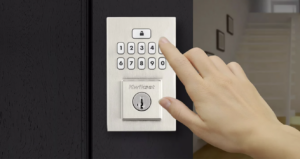 Enhance Home Security with Kwikset Keypad Locks
 A Guide to Robot Lawn Mowers: How to Choose the Best Model for Your Needs
Echo Pop vs Echo Dot: Find Your Ideal Smart Speaker
A Guide to Robot Lawn Mowers: How to Choose the Best Model for Your Needs
Echo Pop vs Echo Dot: Find Your Ideal Smart Speaker
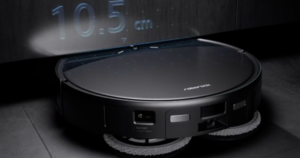 Roborock S8 MaxV Ultra: The Ultimate Smart Cleaning Device
Leave a Reply