
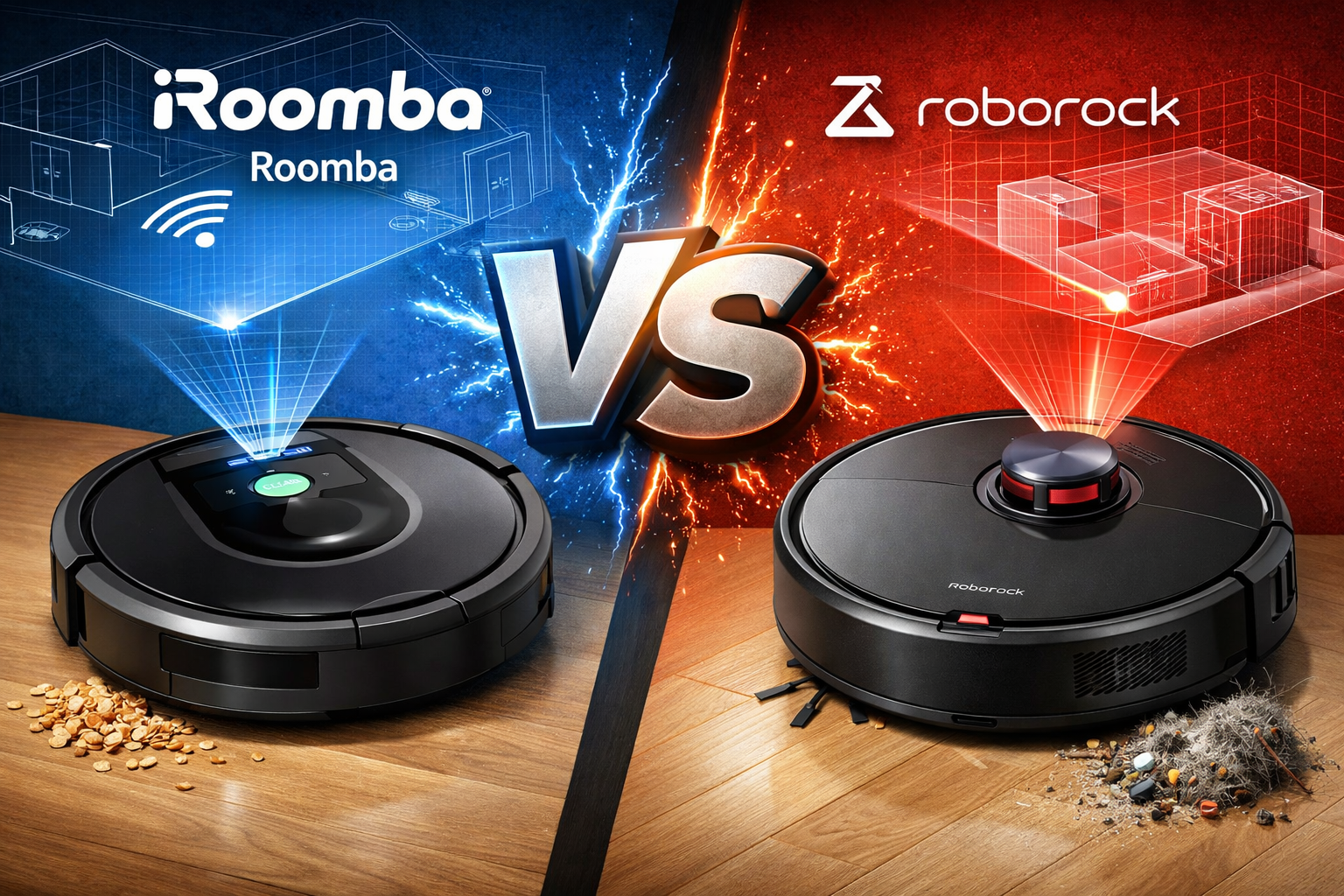
Introduction to Smart Vacuums
Robot vacuums first emerged in the late 1990s with early consumer models. The introduction of the Roomba by iRobot in 2002 marked a significant turning point, capturing public interest with its autonomous floor-cleaning capabilities. As technology advanced, so did the functionality of these devices, evolving from simple bump-and-turn models to sophisticated machines equipped with AI-driven algorithms and advanced mapping systems.
The rise in smart home technology has further fueled the popularity of smart vacuums, integrating them with other devices like smart speakers and thermostats. Choosing the right smart vacuum saves time, reduces cleaning effort, and enhances home cleanliness. Factors such as home size, floor types, and specific cleaning needs should guide your choice.
Technological Advancements in Smart Vacuums
Over the years, smart vacuums have witnessed several technological breakthroughs that have revolutionized home cleaning. One of the earliest advancements was the integration of infrared sensors, allowing vacuums to navigate autonomously without bumping into obstacles. As technology progressed, these sensors were complemented by cameras and laser-based systems, enabling precise room mapping and efficient navigation.
Another significant development has been in vacuum suction technology. Early models struggled with debris collection, but modern vacuums now boast multi-stage cleaning systems and powerful suction motors capable of lifting dirt from deep within carpets. For instance, the Roomba s9+ utilizes a power boost technology that automatically increases suction on carpets, ensuring thorough cleaning.
The introduction of Wi-Fi connectivity opened new avenues for remote control and scheduling through smartphone apps. This connectivity allows users to start or stop cleaning sessions, set schedules, and even receive cleaning reports from anywhere. Furthermore, advancements in AI have enabled smart vacuums to learn the layout of a home over time, optimizing their cleaning paths for efficiency.
Finally, the integration of voice control via smart assistants like Alexa and Google Assistant has made it possible to control these devices through simple voice commands, adding a layer of convenience that aligns with modern smart home ecosystems. These innovations collectively make smart vacuums not just cleaning devices, but integral components of the smart home landscape.
Overview of Roomba and Roborock
Roomba, a brand synonymous with smart vacuums, was developed by iRobot, a company with deep roots in robotics. Since its inception, Roomba has dominated the market by consistently delivering innovative and reliable products. Their vacuums are known for their robust build, effective cleaning capabilities, and ease of use, making them a popular choice for consumers worldwide.
Conversely, Roborock, a comparatively newer entrant, has quickly established itself as a formidable competitor. Originating as a Xiaomi-backed startup, Roborock has leveraged its technological prowess to offer high-performance vacuums that often come with a competitive price tag. Known for their advanced navigation systems and powerful suction, Roborock vacuums have gained a reputation for delivering exceptional value and performance.
Knowing these brand philosophies helps in making an informed choice. While Roomba might appeal to those seeking a time-tested brand with a strong track record, Roborock may attract budget-conscious buyers looking for the latest technology at a competitive price. Both brands offer a range of models that cater to different needs, making it crucial to consider specific features and functionalities when choosing the right vacuum for your home.
Design and Build Quality
When comparing the design and build quality of Roomba and Roborock vacuums, several factors come into play, including materials, durability, aesthetics, and maintenance ease. These aspects not only affect the device’s performance but also its longevity and user satisfaction.
Roomba vacuums are generally known for their sturdy construction and use of high-quality materials. The design typically features a minimalist aesthetic with a focus on durability. Their models often include robust bumpers and high-grade plastics, ensuring they can withstand daily use and occasional collisions with furniture. This focus on durability makes Roomba a preferred choice for those who prioritize long-term reliability.
Roborock, on the other hand, combines sleek design with functionality. Their vacuums often feature modern aesthetics with a range of finishes that can complement various home decors. Despite their stylish appearance, Roborock vacuums do not compromise on durability. The use of durable materials and thoughtful engineering ensures that their devices are both functional and resilient, capable of handling the rigors of everyday cleaning.
Size considerations also play a crucial role in design. Roomba vacuums tend to have a slightly bulkier profile, which might affect their ability to clean under low-clearance furniture. In contrast, Roborock models are generally more compact, allowing them to navigate tight spaces and low-clearance areas more effectively.
Comparing Maintenance and Longevity
When investing in a smart vacuum, maintenance and longevity are critical factors that influence overall satisfaction and cost-effectiveness. Both Roomba and Roborock have designed their vacuums with user-friendly maintenance in mind, yet there are distinctions in their approaches.
Roomba vacuums are known for their robust construction, which translates to fewer breakdowns and a longer lifespan. The easily accessible dustbins and filters simplify routine cleaning tasks. Moreover, Roomba’s parts, such as brushes and rollers, are designed to be replaced effortlessly, ensuring the vacuum maintains peak performance. To enhance longevity, Roomba recommends regular maintenance checks, including cleaning sensors and inspecting wheels.
Roborock, similarly, emphasizes easy maintenance with features like washable filters and dustbins. Their modular design allows users to quickly disassemble components for deeper cleaning. Roborock vacuums often come with maintenance reminders via their app, guiding users on when to perform tasks like filter cleaning or brush replacement, which can prolong the vacuum’s life.
In terms of longevity, the choice of materials plays a significant role. Both brands use high-quality plastics and metals, but Roomba’s history of durability gives it a slight edge. However, Roborock’s focus on innovation and regular software updates ensures that their vacuums remain efficient and relevant over time, potentially extending their usability.
Ultimately, both brands offer vacuums that are designed to last, but prospective buyers should consider their willingness to perform regular maintenance and the availability of replacement parts when making a decision.
Cleaning Performance and Technology
When it comes to cleaning performance and technology, both Roomba and Roborock offer advanced features designed to improve efficiency and effectiveness in maintaining a clean home. However, there are distinct differences in their approach and technology that can influence your decision.
Suction Power and Floor Type Compatibility
Suction power is a critical factor in determining a vacuum’s cleaning capability. Roomba models, particularly the i7 and s9 series, are renowned for their powerful suction, which can effectively handle various types of debris, from pet hair to fine dust. These models utilize a multi-surface rubber brush system that adapts to different floor types, such as carpets and hard floors, ensuring optimal cleaning without scattering debris.
Roborock, on the other hand, often features variable suction power that can automatically adjust depending on the surface. For instance, the Roborock S7 model includes a powerful HyperForce suction system that enhances cleaning on both carpets and hard flooring. This model also integrates a sonic mopping feature, which vibrates to scrub floors, providing an additional layer of cleanliness, particularly useful for homes with hard flooring.
Brush and Filter Technology
Roomba vacuums are equipped with dual multi-surface rubber brushes that are designed to prevent hair tangles, a common issue with traditional bristle brushes. These brushes are complemented by high-efficiency filters that capture 99% of pollen, dust mites, and allergens, making Roomba a suitable choice for allergy sufferers.
Roborock employs a similar dual-brush system but enhances it with precision engineering that allows for tight edge cleaning. The side brushes are designed to run at a slower speed during edge cleaning, which helps in picking up dirt without scattering it. Additionally, Roborock vacuums use HEPA-style filtration systems that capture fine particles and allergens, maintaining air quality in the home.
Navigation and Mapping Capabilities
Advanced navigation and mapping capabilities are essential for efficient cleaning. Roomba vacuums, particularly those in the i and s series, utilize iAdapt 3.0 technology with vSLAM navigation. This technology allows the vacuum to build a map of the home, ensuring thorough coverage and efficient cleaning paths. It also enables features like keep-out zones and targeted room cleaning.
Roborock excels in navigation with its LiDAR-based mapping system, which creates highly accurate maps of your home. This system offers features such as multi-floor mapping and no-go zones, enhancing the vacuum’s efficiency by avoiding obstacles and targeting specific areas. The Roborock S7 model even includes a carpet detection feature that automatically lifts the mop when transitioning from hard floors to carpets, preventing wet carpets.
In conclusion, while both Roomba and Roborock provide impressive cleaning technologies, the choice between them depends on specific needs such as floor types, allergy considerations, and the complexity of your home’s layout. Roomba’s strong suction and adaptive brush system are ideal for homes with pets, whereas Roborock’s advanced navigation and mopping abilities make it excellent for mixed surfaces and larger homes.
Battery Life and Charging
Battery life and charging efficiency are critical considerations when choosing a smart vacuum, especially for larger homes where coverage is a priority. Both Roomba and Roborock offer models with competitive battery life, but there are nuances in their performance and features that may sway your decision.
Battery Capacity and Runtime Comparison
Roomba vacuums, particularly those in the higher-end series like the i7 and s9, typically offer a runtime of up to 75 to 120 minutes, depending on the model and cleaning conditions. This duration is adequate for most small to medium-sized homes. Roomba uses lithium-ion batteries, known for their reliability and longevity.
Roborock models, such as the S7, boast a longer runtime, often reaching up to 180 minutes on a single charge. This extended battery life makes Roborock an attractive option for larger homes or those with complex floor plans. The ability to clean for longer periods without needing to recharge can significantly enhance efficiency, particularly in spaces with extensive surface areas.
Charging Times and Docking Station Features
Charging time is another crucial factor. Roomba vacuums generally take about 2-3 hours to recharge fully, which is fairly standard across the industry. Their docking stations are designed for easy access and efficient charging, ensuring the vacuum is always ready for the next cleaning cycle.
Roborock vacuums also offer a similar charging time, taking approximately 3-4 hours to reach full charge. However, Roborock docking stations often include additional features like automatic dustbin emptying in some models, which can reduce maintenance efforts significantly. This feature is particularly beneficial for users who prefer minimal interaction with the device.
Efficiency in Large Homes vs. Small Spaces
For large homes, the combination of long runtime and advanced navigation makes Roborock a strong contender. Its ability to map multiple floors and cover extensive areas without frequent recharging is a significant advantage. Moreover, features like automatic room recognition and targeted cleaning enhance its suitability for spacious environments.
In contrast, Roomba’s efficient cleaning algorithms and ability to resume cleaning after charging make it a reliable choice for both large and small spaces. Its robust suction power and adaptive cleaning paths ensure thorough cleaning, even in homes with complex layouts or multiple rooms.
Maximizing Battery Efficiency
Maximizing the battery efficiency of your smart vacuum not only prolongs its lifespan but also ensures consistent cleaning performance. Here are some strategies to help you get the most out of your Roomba or Roborock vacuum’s battery.
First, regular maintenance is key. Ensure that the vacuum’s brushes and wheels are free of hair and debris, as blockages can cause the motor to work harder, draining the battery faster. Cleaning the sensors and charging contacts regularly will also improve the vacuum’s ability to dock and recharge efficiently.
Avoid running the vacuum on low battery. Consistently allowing the battery to deplete entirely can reduce its overall lifespan. Instead, try to recharge the vacuum when it reaches around 20% capacity. Both Roomba and Roborock models have indicators to alert you when the battery is low, making it easier to manage charging cycles.
It’s also beneficial to use the vacuum’s scheduling features to optimize battery usage. For instance, setting your vacuum to clean when you’re away from home can ensure it completes its job without interruption, allowing it to return to the dock before the battery is critically low.
Finally, for homes with multiple floors, consider cleaning one level per charge cycle. This approach prevents the vacuum from overexerting itself on a single charge, which can result in partial cleaning and more frequent charging. By following these tips, you can enhance the battery performance of your smart vacuum, ensuring it remains a reliable part of your cleaning routine.
App Control and User Experience
In the realm of smart vacuums, app control and user experience are pivotal in enhancing convenience and customization. Both Roomba and Roborock have developed intuitive apps that allow users to maximize the functionality of their vacuums, yet there are distinct differences in their offerings.
App Interface and Usability
Roomba’s app, powered by iRobot Home, is designed with user-friendliness in mind. It offers a straightforward interface where users can start, schedule, and monitor cleaning sessions with ease. The app also provides detailed cleaning reports that highlight coverage areas and times, offering valuable insights into cleaning efficiency.
Roborock’s app, on the other hand, is known for its detailed mapping features and customization options. It allows users to view real-time maps of their homes, set no-go zones, and even customize cleaning schedules for specific rooms. The app’s interface is clean and intuitive, making it easy for users to tailor their cleaning experience to their preferences.
Scheduling and Customization Options
Both brands offer robust scheduling and customization features. Roomba allows users to schedule cleanings up to seven times per week, with options to specify cleaning modes and areas. The app also includes a feature called Clean Zones, which lets users target specific high-traffic areas for more frequent cleaning.
Roborock takes customization a step further with its multi-level mapping and room-specific scheduling. Users can set different cleaning modes for different rooms, taking into account varying floor types and cleaning needs. This level of customization is particularly useful for homes with diverse flooring and layout challenges.
Integration with Smart Home Systems
Smart home integration is increasingly important for consumers looking to streamline their home automation systems. Roomba vacuums integrate seamlessly with major smart home platforms like Amazon Alexa and Google Assistant, allowing users to initiate cleaning sessions with simple voice commands.
Similarly, Roborock supports integration with Alexa and Google Assistant, and some models also offer compatibility with Apple HomeKit. This flexibility ensures that users can easily incorporate their Roborock vacuums into their existing smart home ecosystems, enhancing overall convenience and automation.
In summary, both Roomba and Roborock provide comprehensive app control and user experience features that cater to different user needs. Roomba excels in simplicity and ease of use, making it ideal for users who prefer straightforward functionality. In contrast, Roborock offers more detailed customization and mapping capabilities, appealing to tech-savvy users who desire greater control over their cleaning routines.
Price and Value for Money
When it comes to purchasing a robot vacuum, the consideration of price and overall value is crucial. Both Roomba and Roborock offer a range of models catering to different budgets, but understanding the nuances of initial costs, long-term maintenance, and support services can help consumers make an informed decision.
Initial Costs and Model Range
Roomba, a well-established name in the smart vacuum market, offers a wide variety of models, ranging from entry-level options like the Roomba 600 series, priced around $200, to high-end models such as the Roomba s9+, which can exceed $1,000. The price differences often reflect varying features, such as advanced mapping capabilities, self-emptying dustbins, and enhanced suction power.
Roborock, while relatively newer, has quickly expanded its lineup to compete effectively across different price points. The Roborock E4, a budget-friendly model, starts around $250, whereas the premium Roborock S7 MaxV series can reach upwards of $700. Roborock models frequently emphasize advanced features such as LiDAR navigation and multi-floor mapping, providing significant value for tech-savvy users.
Long-term Maintenance Costs
Beyond the initial purchase price, ongoing maintenance costs are a critical factor to consider. Both brands require periodic replacement of parts such as brushes, filters, and batteries to maintain optimal performance. On average, users might spend $50-$100 annually on these consumables, but this can vary based on usage.
Roomba’s parts are widely available, with a robust ecosystem of third-party options that can help reduce costs. However, it’s important to note that using non-OEM parts can sometimes void warranties. Roborock parts are also increasingly accessible, often at a slightly lower price point than Roomba’s, which could appeal to budget-conscious consumers.
Warranty and Customer Support Services
Warranty and customer support are often overlooked but vital aspects of long-term value. Roomba offers a standard one-year warranty on most models, with an extended warranty available for purchase. iRobot, the parent company, is known for its responsive customer service and extensive support resources, including online troubleshooting guides and phone support.
Roborock provides a similar one-year warranty, with some models offering extended coverage for certain parts like the battery. While their customer service is generally regarded as helpful, some users have noted slower response times compared to iRobot. Both brands offer comprehensive online resources, including FAQs and user forums, which can be invaluable for troubleshooting and maintenance.
In conclusion, both Roomba and Roborock provide excellent options across various price ranges, each with its own strengths in terms of features and value for money. Consumers should weigh the initial investment against potential long-term costs and support services to determine which brand aligns best with their needs and budget.
Customer Reviews and Feedback
Understanding customer reviews and feedback is essential for evaluating the real-world performance and satisfaction levels of Roomba and Roborock vacuums. By examining common praises and complaints, consumers can gain insights into what they might expect from each brand.
Common Praise and Complaints for Roomba
Roomba vacuums are often praised for their robust build quality, reliable cleaning performance, and strong suction power. Many users appreciate the simplicity and reliability of Roomba’s navigation system, which consistently covers large areas with minimal intervention required. The self-emptying feature in models like the Roomba i7+ and s9+ is a standout, significantly reducing maintenance effort.
However, some common criticisms include the noise level, which can be higher than some competitors, and the premium pricing of high-end models. Additionally, while Roomba’s navigation is generally effective, certain models may struggle with complex layouts or dark-colored carpets, which can confuse sensors.
Common Praise and Complaints for Roborock
Roborock receives high marks for its advanced navigation technology, particularly the use of LiDAR sensors and AI-assisted mapping, which allow for precise and efficient cleaning routes. Users frequently highlight the affordability of Roborock models, which often offer features comparable to higher-priced competitors. The mopping function available in several models is also a valued addition for many households.
On the downside, some users report occasional issues with connectivity and app stability. While the Roborock app is generally praised for its functionality, it can sometimes experience glitches or delays in updates. Additionally, while the suction power is generally strong, a few models might not match the deep-clean performance of the top-tier Roombas.
Overall Customer Satisfaction Comparison
Overall, both brands enjoy high customer satisfaction, but the choice often comes down to specific user needs and preferences. Roomba tends to appeal to those who prioritize brand reputation, ease of use, and consistent performance, even at a higher price point. In contrast, Roborock appeals to tech enthusiasts who value cutting-edge technology and versatility, often at a more competitive price.
According to a recent survey, 85% of Roomba users reported satisfaction with their vacuum’s performance on carpets, highlighting its effectiveness in pet hair removal. Meanwhile, 78% of Roborock users praised its precise navigation and mapping capabilities, citing the vacuum’s ability to efficiently clean complex floor plans without missing spots. These statistics underscore the strengths of each brand, helping potential buyers align their choice with personal cleaning priorities.
Expert Tips for Choosing the Right Model
Choosing the right smart vacuum involves considering various factors that align with your specific cleaning needs and lifestyle. Here are some expert tips to guide you in selecting the ideal model.
Firstly, evaluate the size and layout of your home. For larger spaces or multi-story homes, a model with advanced navigation and mapping capabilities, such as those offered by Roborock, can be beneficial. If your home has a mix of carpets and hard floors, consider a vacuum with strong suction and multi-surface cleaning modes, which are strengths of Roomba models.
Next, consider your lifestyle and cleaning habits. Pet owners may prioritize features like tangle-free brushes and high-efficiency filters, which are standard in many Roomba vacuums. If you’re frequently away from home, a vacuum with robust app controls for remote management and scheduling, such as Roborock’s, can offer convenience and peace of mind.
Budget is also a key consideration. While premium models from both brands offer extensive features, there are budget-friendly options that provide excellent cleaning performance without the added frills. Roborock often provides advanced features at competitive prices, making it an attractive choice for those seeking value.
Finally, think about future-proofing your purchase. Opt for models that receive regular software updates, ensuring your vacuum benefits from the latest advancements in cleaning technology. By considering these factors, you can select a smart vacuum that not only meets your current needs but also adapts to future requirements.
Environmental Impact
As environmentally conscious consumers increasingly consider the impact of their purchases, understanding the environmental implications of Roomba and Roborock vacuums is important. This includes examining energy consumption, material sustainability, and company initiatives towards environmental responsibility.
Energy Consumption Comparison
Robot vacuums, by their nature, consume electricity, but they are generally more energy-efficient compared to traditional vacuum cleaners. The power consumption of Roomba vacuums varies by model, with newer models like the s9+ designed to be more energy-efficient. They typically consume between 30-40 watts when in use, which translates to about 0.5 kWh per month for regular use.
Roborock vacuums are also designed with energy efficiency in mind, with comparable power consumption levels. For example, the Roborock S7 consumes about 58 watts, which is slightly higher than some Roomba models but still efficient enough for regular use without significantly impacting electricity bills.
Sustainability of Materials Used
Both Roomba and Roborock have made strides in using sustainable materials in their products. Roomba emphasizes durable construction with recyclable plastics, aiming to extend the lifespan of their vacuums and reduce waste. They also offer a recycling program for their products, encouraging users to return old units for responsible disposal.
Roborock also focuses on sustainability, using high-quality, long-lasting materials that minimize the need for frequent replacements. Their packaging is often made from recyclable materials, reflecting a commitment to reducing environmental impact right from the manufacturing stage.
Company Initiatives for Environmental Responsibility
Both companies are increasingly aware of their environmental responsibilities. iRobot, the maker of Roomba, has committed to reducing its carbon footprint and enhancing the recyclability of its products. They have initiatives aimed at energy efficiency and sustainable sourcing of materials.
Roborock, although a newer entrant, has also taken steps towards sustainability. They are focused on improving the energy efficiency of their products and increasing the use of sustainable materials in production. Furthermore, Roborock has publicly acknowledged the importance of environmental responsibility and is actively working to incorporate more eco-friendly practices into their business operations.
In conclusion, both Roomba and Roborock are making efforts to mitigate their environmental impact, which is a positive sign for eco-conscious consumers. While the specific approaches and achievements vary, both brands demonstrate a commitment to sustainability, making them viable choices for environmentally-minded buyers.
Final Verdict: Roomba vs Roborock – Which is Right for You?
Choosing between Roomba and Roborock involves weighing various factors that align with your cleaning needs, lifestyle, and budget. Both brands bring unique strengths to the table, making the decision largely dependent on personal preferences and specific household requirements.
Summarization of Key Differences
Roomba, developed by iRobot, is a pioneer in the robot vacuum industry. It is renowned for its robust build quality, superior navigation technology, and efficient cleaning systems. Roomba vacuums often feature advanced dirt detection technology and patented three-stage cleaning systems, which make them particularly effective on carpets and in homes with pets. Additionally, Roomba models are known for their smart mapping capabilities, which allow them to learn and adapt to the layout of your home, ensuring thorough cleaning coverage.
Roborock, a relatively newer player, is gaining popularity for its competitive pricing and innovative features. Roborock vacuums typically offer a combination of vacuuming and mopping functions, which can be a significant advantage for homes with hard floors. Their products are well-regarded for their strong suction power, efficient brush systems, and advanced app controls that provide extensive customization options. Roborock’s LiDAR navigation technology is a standout feature, providing precise and efficient room mapping.
Which Vacuum Suits Different Lifestyles Best
For pet owners or those with large carpeted areas, Roomba might be the better choice due to its powerful suction and specialized pet hair tools. The higher-end models, such as the Roomba i7+ and s9+, offer automatic dirt disposal, which reduces maintenance efforts significantly.
On the other hand, Roborock is ideal for tech-savvy users who appreciate advanced smart features at a more affordable price point. Its combination of vacuuming and mopping is perfect for homes with a mix of carpet and hard flooring. The Roborock S7, in particular, is excellent for those who want to maintain both functions without investing in separate devices.
Personal Recommendation Based on User Needs
Ultimately, if your priority is a vacuum with excellent performance on carpets, especially in homes with pets, Roomba is a strong choice. Its focus on deep cleaning and advanced navigation is unmatched, making it an excellent investment for those seeking convenience and efficiency.
Conversely, if you value versatility and advanced technology without breaking the bank, Roborock provides significant value. Its ability to handle both vacuuming and mopping tasks, coupled with user-friendly app controls, makes it a versatile choice for modern homes.
Regardless of the brand, it’s crucial to consider the specific features that align with your cleaning preferences and household needs. By doing so, you can ensure that your investment in a smart vacuum not only enhances your cleaning routine but also fits seamlessly into your lifestyle.
More from Smart Home + Garden
 The Ultimate Guide to Choosing Philips Hue Floor Lamps
 Insulate Crawlspace: How to Prep, Choose Materials, and What Benefits to Expect
 How to Link Sonos Speakers to Apple HomeKit for AirPlay and Automations
 Roomba vs. Shark: Which is the Better Robot Vacuum?
 Mastering Zigbee Devices: Build a Smart Home Network
Comprehensive Guide to Blink Subscription Plans
Mastering Zigbee Devices: Build a Smart Home Network
Comprehensive Guide to Blink Subscription Plans
Leave a Reply